Hey there! This site utilizes ads to pay the bills so that we can continue bringing you free travel advice. We are also part of several affiliate programs, which means that if you click on a link and make a purchase, we may receive a small commission (at no extra cost to you). Thank you for reading and supporting Live Like it’s the Weekend!
Trying to navigate your way to Santa Teresa with ease? This post goes in depth on all your best options.
Santa Teresa is one of those beach towns I continue to dream about revisiting. This laid-back stretch of the southern Nicoya Peninsula is the ultimate place to slow down, with incredible surf, dreamy sunsets, and a particular type of minimal-meets-jungle design that will make you wish you’d already extended your stay.
But here’s the catch: Santa Teresa is also one of the more logistically complicated destinations in Costa Rica to reach. I know this because I spent a few weeks traveling there and personally struggled with the best way to make the journey, especially as a solo female traveler.
Getting to Santa Teresa typically involves a combination of flying, taking a ferry, and driving, and with several routes to choose from, figuring out the best option for your trip can get a little overwhelming.


In this post, I’m breaking down the different ways to get to Santa Teresa, along with realistic travel times and practical tips to make the journey as smooth as possible for you.
And I’m speaking from experience; I’ve personally done this trip more than one way myself. Between arriving via private car after a four-hour drive from Nosara and choosing to fly back out through San José, I’m sharing some tips from my own personal experience.
Want to figure out what makes the most sense for your trip? Keep reading.
Complete Guide: How to Get to Santa Teresa, Costa Rica
Before we get into the details, here are a few key considerations to think about ahead of your trip:
- Fastest route: Fly in to San José airport and then take a domestic flight from San José airport to Cóbano, with a short ground transfer to follow. The flight time is approximately 30 minutes.
- Most flexible route: Rent a car in San José (SJO) or Liberia (LIR) and drive. If coming from San José, you’ll need to take the ferry across the Gulf of Nicoya from Puntarenas to Paquera. Perfect if you want to make it a road trip.
- Ferry to book ahead: If you’re traveling to Santa Teresa via Puntarenas, take the ferry across the Gulf of Nicoya to Paquera, operated by Naviera Tambor. During busy travel periods, it’s a good idea to book your ferry ticket in advance.
- When to visit: Dry season (December to April) for the smoothest travel and most sunny days; rainy season (May to November) for lower prices and quieter beaches.
- Where to stay: Book your villa or hotel in Santa Teresa early, especially in high season. I loved staying in this sweet studio across from the beach. For a luxury stay, I would book Hotel Fermata, which is the best new design-forward hotel on the beach.
- Stay connected: If you want to experience seamless navigation once in Costa Rica, I highly recommend installing an eSIM ahead of your trip.
- Don’t miss: Once you arrive, my roundup of the best restaurants in Santa Teresa, Costa Rica, can help you find some of the top restaurants around the area.
Getting to Santa Teresa is not a single direct route, and it does require more planning than most beach destinations in Costa Rica. But the journey is genuinely part of the experience, and understanding the ferry system, your flight options, and the road conditions before you go will meaningfully shape your total travel time, your comfort, and your cost.
Plus, don’t miss these incredible experiences once you’ve touched down in Santa Teresa:
Where Is Santa Teresa, Costa Rica?
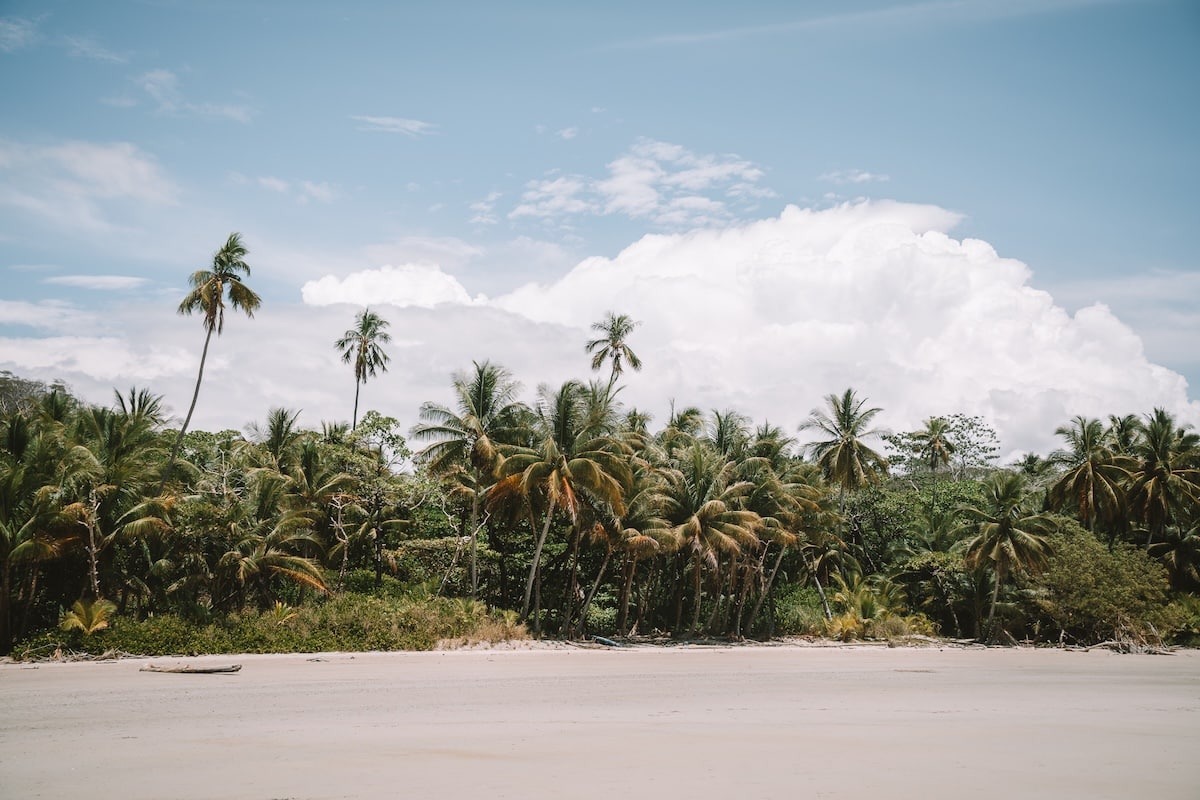
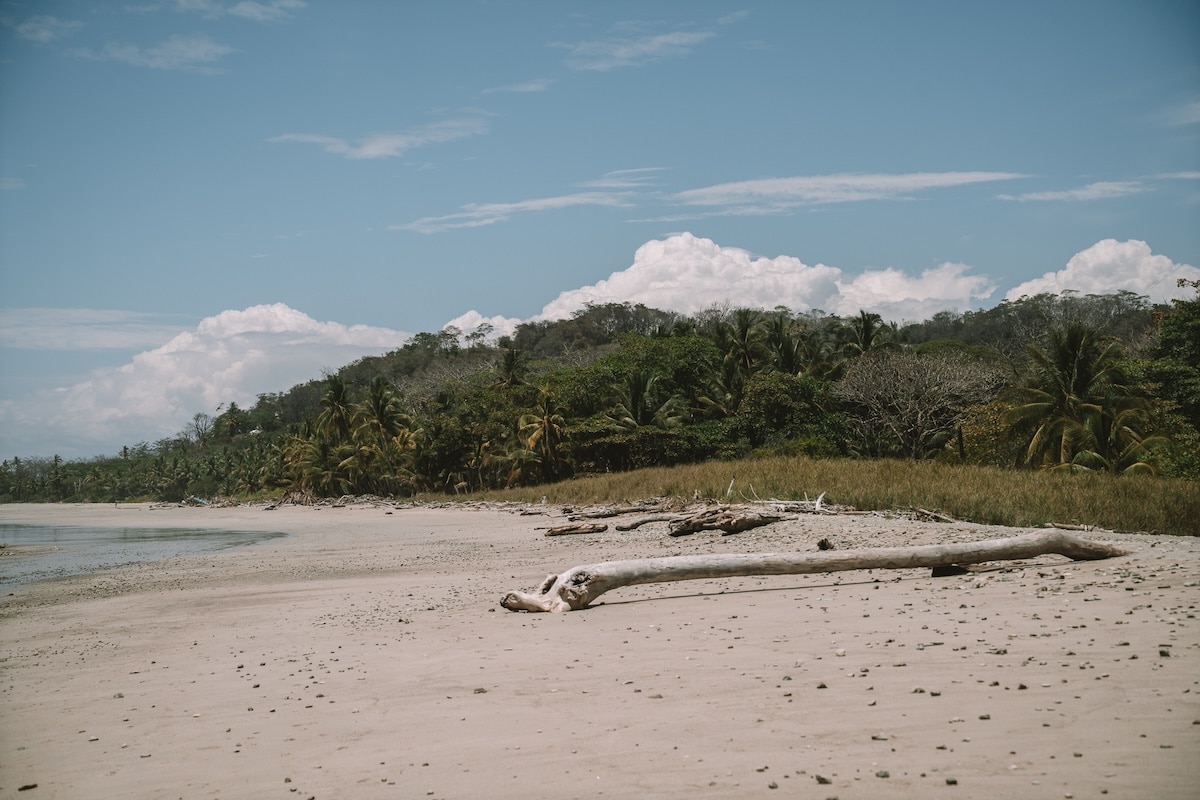
Santa Teresa sits at the far southwestern tip of the Nicoya Peninsula, on the Pacific side of the country. Though remote, that position is exactly what has kept it feeling special. Those that want to visit have to put in a bit more effort to do so, which means you won’t find a big mass tourist/resort crowd here—something that I personally loved about it.
The vibe feels like a melting pot of international visitors who’ve planted longer roots for an extended stay. Once you make the journey here, trust me, you don’t want to pick up and leave right away.
This is also why reaching Santa Teresa requires a little strategy. There’s no airport directly in the town of Santa Teresa itself. The closest is Cóbano Airport, which is a 30-minute drive from Santa Teresa. So you’ll need to arrive either via a domestic flight into the small airstrip or by a combination of driving and ferry rides from the country’s major entry points.
Liberia vs. San José Airport: Which Is Better for Flying to Costa Rica?
Most travelers enter into Costa Rica en route to Santa Teresa in one of two places: San José, home to the main international airport of Costa Rica, or Liberia in the northwest.
From San José, the classic route runs west to the coast at Puntarenas, then across the water at Gulf of Nicoya before making your way down to the southern tip of the Nicoya Peninsula. Alternatively, you could fly into Guanacaste Airport (Liberia) and make the journey to Santa Teresa south from there.
I’ll get into more details of all the different options of how to travel to Santa Teresa once in Costa Rica below, but first you’ll need to decide on your best entry point into the country. This quick chart should give you a better vantage point from which to make your decision.
Liberia vs. San José Quick Comparison:
| Official Name | Juan Santamaría International Airport | Guanacaste Airport |
| Location | Alajuela, near San José | Liberia, Guanacaste |
| Airport Size | Costa Rica’s largest and busiest | Smaller international airport |
| U.S. Connections | Extensive international connections, including numerous year-round nonstop flights from major U.S. cities. | Strong nonstop connections to major U.S. cities, with additional routes and frequencies during the peak tourism season. |
| Year-round flights | Generally more options | Fewer year-round routes |
| Seasonal flights | Yes | Many, particularly November–April |
| Best for | Central Costa Rica, Caribbean coast, southern Pacific, domestic flight connections | Guanacaste, Nicoya Peninsula, northern Pacific beaches |
| Drive to Santa Teresa | Approximately 5–7 hours, including a car ferry ride. | Approximately 4.5–6 hours |
| Domestic flight to Cóbano | Approximately 30–40 minutes. Flights operate 14-16x per day via multiple airlines (SANSA and Costa Rica Green Airways) in peak season. | Approximately 30 minutes with limited operation. Typically one flight per day on SANSA. |
| Best feature | Most flexibility for domestic connections | Convenient for northern Pacific beach destinations |
How Do You Get To Santa Teresa, Costa Rica?
There are three preferred ways to make the trip and several other less popular options; the right one really comes down to your timeline and how much you enjoy a scenic drive. Here’s how each one actually looks in practice.
1. Fly From San José Airport to Cóbano Airport (Fastest Option)
Total Travel Time: Approximately 1–3 hours, including ground transportation, depending on flight connections.
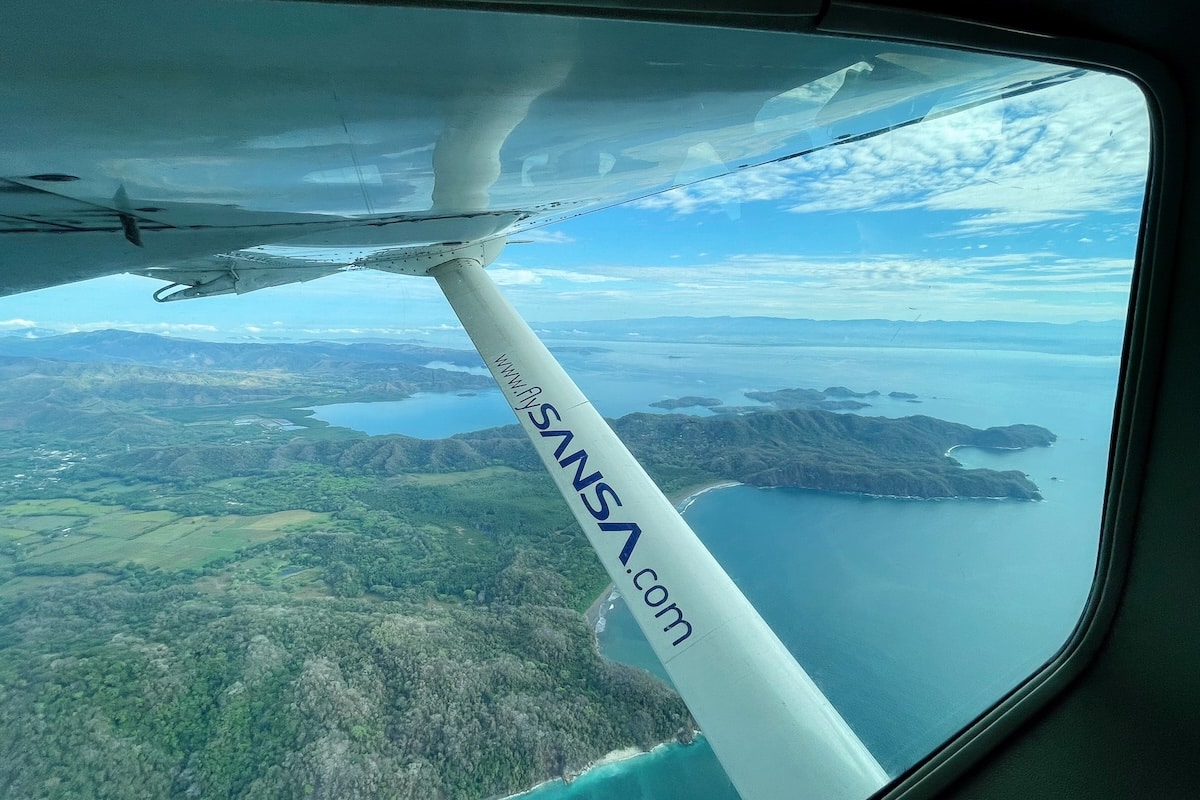
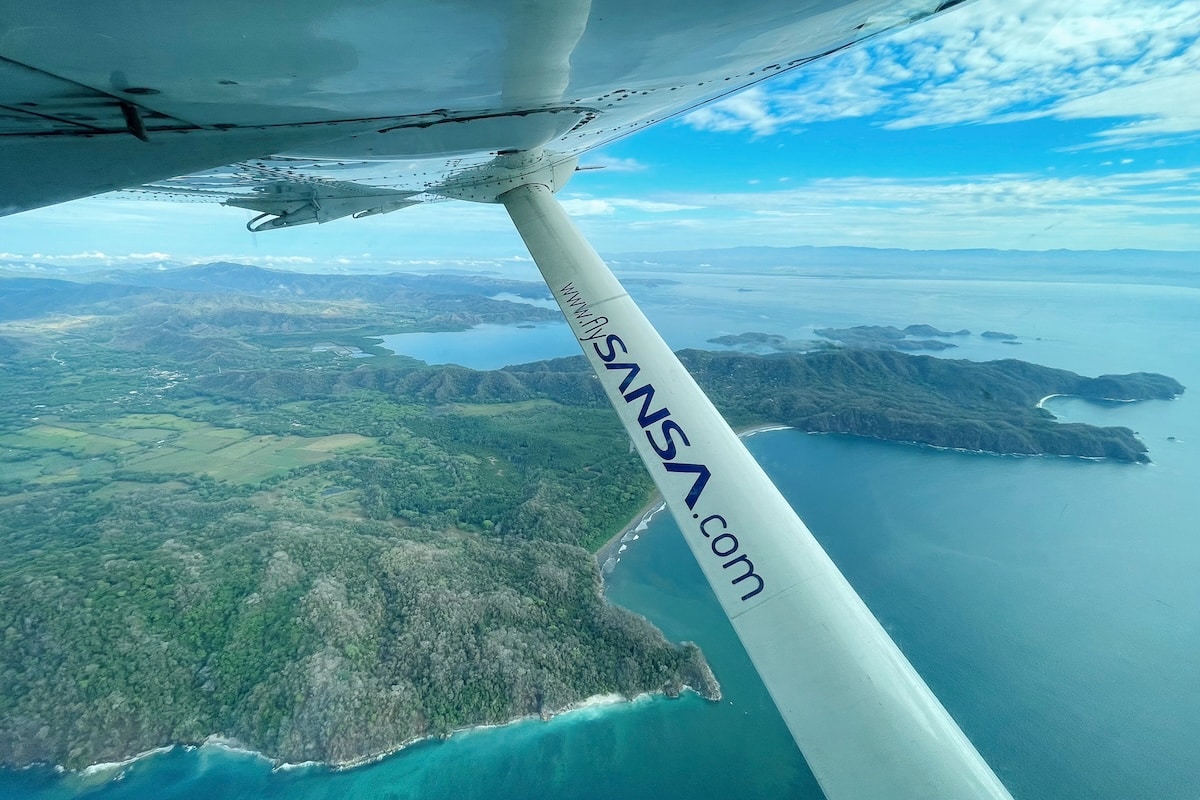
If your priority is speed, a domestic flight to Santa Teresa is the way to go. Many daily flights operate from San José to Cóbano, with airlines like SANSA and Green Airways serving the area. The flight itself takes around 30 minutes, cutting out several hours of travel by road and ferry.
You can also look into private charters with Fly Adventure Air—I haven’t used them personally, but from what I can tell from TripAdvisor and perusing some Facebook and Reddit threads, they get great reviews.
Cóbano Airport is the closest to the town of Santa Teresa, and from there, you can take a taxi or arrange a private transfer for the final drive into town.
Flight prices on SANSA and Green Airways typically run around $100-$180 USD for a one-way journey between San José and Cóbano. Just take note that you can’t always book SANSA or Green Airways flights on third-party platforms, so if you’re not finding good flight options make sure to look directly on the airline websites.
Good to Know: Typically during high season, there are taxis waiting at Cóbano Airport as new flights arrive. However, you may want to arrange a transfer in advance online or with your accommodation to ensure someone will be there to pick you up.
Pros:
- Fastest arrival into Santa Teresa
- Avoid having to hop multiple modes of transport
- Great aerial views of Costa Rica from the small flight
CONS:
- More expensive than renting a car
- You must be OK with taking a small domestic airline (the planes are tiny)
- Stricter luggage limits on the small airlines
Step-by-Step Directions:
- Book a flight to San José Airport from your city of origin
- Book a connecting flight from San José Airport to Cóbano Airport via either Green Airways or SANSA Airlines. The flight takes approximately 30-40 minutes.
- Pre-book a transfer from Cóbano Airport to your accommodation or grab a taxi on arrival. Alternatively, you can rent a car right at Cóbano Airport with various rental companies.
Important: Older travel guides may recommend flying to Tambor Airport. However, scheduled commercial flights now serve Cóbano instead, which is actually closer to Santa Teresa. Win!
2. Rent a Car from San José and Drive Via the Puntarenas Ferry (Best Driving Option from San José)
Total travel time: Approximately 5–7 hours.
If you want more independence, you can rent a car at the airport and make the journey to Santa Teresa yourself. From San José, you’ll drive roughly two hours to Puntarenas, take the car ferry across the Gulf of Nicoya to Paquera, and then continue by road toward Santa Teresa.
All in, the drive to Santa Teresa (including the ferry ride) typically takes around five to six hours depending on traffic, road conditions, and how your timing lines up with the ferry departure.
Having your own car can be especially convenient if you plan to explore beyond Santa Teresa once you arrive. However, road conditions can vary, and some roads around the southern Nicoya Peninsula can be rough, particularly during the rainy season. Many people choose to rent an ATV once they arrive in Santa Teresa instead, which can be worth considering depending on your itinerary plans.
Pros:
- Gives you instant flexibility of your own wheels and to make stops along the way
- See more of Costa Rica en route to Santa Teresa
Cons:
- Longer travel time
- More travel logistics to manage
- You may want to rent an ATV instead of a car to explore Santa Teresa
Step-by-Step Directions:
- Book a flight to San José Airport from your city of origin
- Rent a car at San José Airport
- Drive ~2 hours from San José Airport to Puntarenas, where you’ll board the Puntarenas-Paquera ferry across the Gulf of Nicoya. The car ferry ride takes approximately 70 minutes. Book ferry tickets here.
- After the ferry docks, continue the journey to Santa Teresa via car.
Quick Tip: Make sure to book your ferry ticket in advance, especially if you’re traveling during peak season.
3. Rent a Car from San José and Avoid the Ferry (Longest Travel Time)
Total travel time: Approximately 6–7 hours.
This route adds about an hour drive to the option above, but if hopping a ferry is just another complication you prefer to avoid, this could be a scenic choice. You’ll see more of the Costa Rican landscape this way, and it could be a good route if you want to make your journey to Santa Teresa more of a road trip with stops along the way.
If your flight for some reason arrives into Costa Rica too late to catch the ferry, this may be your best driving alternative.
Pros:
- Provides a backup plan if you arrive too late into San José to catch the ferry
- Get to see more of the Costa Rican landscape
- Allows you to skip coordinating ferry schedules
Cons:
- One of the longest routes to get to Santa Teresa
Step-by-Step Directions:
- Book a flight to San José Airport from your city of origin.
- Rent a car at San José Airport and take Route 1 northwest, continuing toward the La Amistad Bridge which crosses the Tempisque River.
- Cross the bridge and follow Route 21 south toward Jicaral and Paquera.
- Continue toward Tambor and Cóbano.
- From Cóbano, follow the road toward Mal País and Santa Teresa.
- This route allows you to reach Santa Teresa entirely by road, without needing to coordinate ferry schedules.
4. Rent a Car and Drive from Guanacaste Airport (Shortest Driving Option)
Total travel time: Approximately 4.5–5.5 hours.
If you know you’re set on driving and having a rental car during your time in Costa Rica, then my vote is to drive directly from Guanacaste Airport in Liberia. This route is the quickest direct driving option but allows you to see more of the beautiful Nicoya Peninsula along the way.
If you wanted to make it into a bigger Costa Rica road trip, you could detour to destinations like Tamarindo and Nosara along the way to Santa Teresa (though keep in mind you don’t pass directly through them to get there). The key word here is detour.
Book this option if you can find great flights into Guanacaste Airport and you want the shortest straight shot driving from an airport. Or, if you want to make it into a more scenic road trip with multiple stops through this specific province of Costa Rica.
Pros:
- No ferry required on this route
- Shortest driving route
- Prettiest drive for rural landscapes and the authentic Costa Rican countryside
Cons:
- You won’t see much of the beaches or coastline along the drive unless you detour off to places like Nosara and Tamarindo
- Some stretches of the road are unpaved or rough with potholes, which can add to the driving time
Step-by-Step Directions:
- Fly into Guanacaste Airport (LIR), formerly known as Liberia International Airport.
- Rent a car and head south on Route 21.
- Continue through Santa Cruz and Nicoya.
- Follow Route 21 south toward Jicaral and Paquera.
- Continue toward Tambor and Cóbano.
- From Cóbano, follow signs toward Santa Teresa and Mal País.
- No ferry is required for this route.
Important: Google Maps can sometimes suggest coastal shortcuts through Coyote and Manzanillo along this route. I would strongly discourage taking these shortcuts unless you are a very confident driver, as they can involve unbridged river crossings, particularly dangerous during the rainy season
5. Fly From Liberia to Cóbano Airport
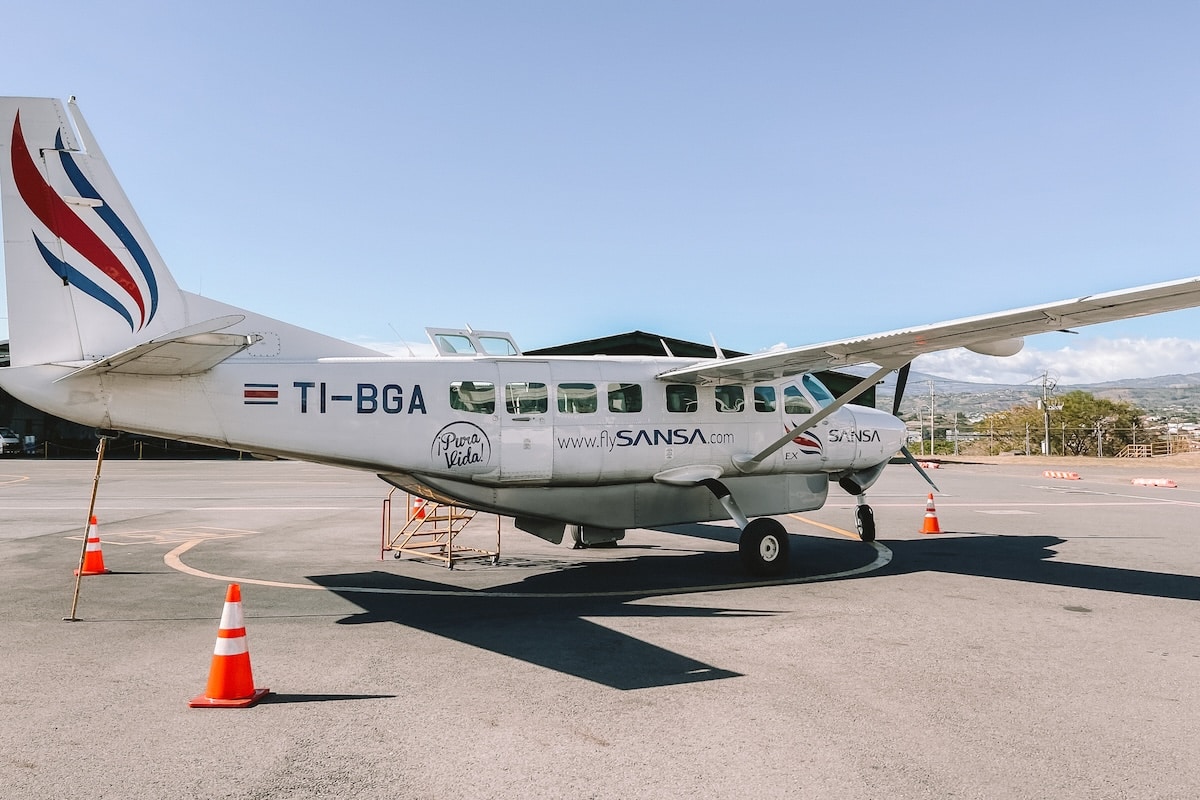
Total travel time: Approximately 1.5 to 2.5 hours, excluding any wait between connections.
If you’d rather fly into Liberia from your city of origin, you might want to try and fly domestically to Cóbano Airport from there. However, this option is only viable if you can find a flight that lines up with the single daily departure from Guanacaste Airport to Cóbano.
At the time of writing, SANSA’s daily flight from Liberia to Cóbano runs at 3:50 PM each day, but make sure to verify the current schedule.
There are private charter options as well, but continue on to the private flight section if you want to learn more.
Important: While this can be one of the fastest ways to reach Santa Teresa from Liberia, the limited flight schedule makes timing particularly important. If your international flight arrives after the day’s departure, you’ll need to arrange alternative transportation or spend the night near Liberia.
Pros:
- Offers a quicker route if Liberia is your preferred entry point into Costa Rica
Cons:
- Limited daily flights from Liberia to Cóbano
Step-by-Step Directions:
- Fly into Guanacaste Airport (LIR), formerly known as Liberia International Airport.
- Book a domestic flight from LIR to Cóbano Airport on either SANSA Airlines or with a private charter. The flight takes approximately 30 minutes.
- Pre-book a transfer from Cóbano Airport to your accommodation or grab a taxi on arrival. Alternatively, you can rent a car right at Cóbano Airport with various rental companies.
6. Shared Shuttle, Bus, or Private Transfer From Within Costa Rica
Total travel time: Totally varies depending on route.
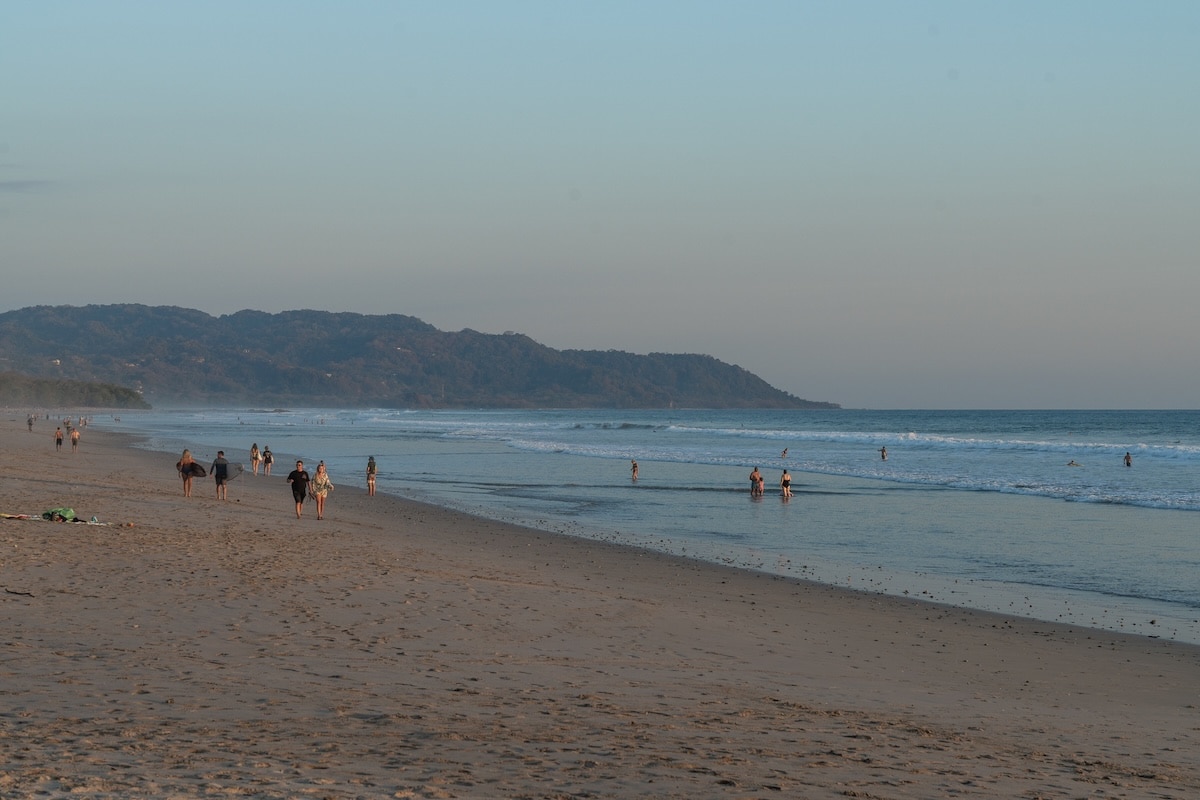
If you’d rather leave the driving to someone else, shared shuttles and private transfers are another way to get to Santa Teresa from many destinations within Costa Rica. This is how I transferred from Nosara, Costa Rica to Santa Teresa on my way down to the surf town when I was traveling there solo.
I will say though, finding a reputable transfer that I trusted taking solo wasn’t the easiest task. I remember reading a lot of reviews of travelers getting items stolen or lost on the shared shuttles, so just make sure to do your due diligence and read reviews thoroughly before booking anything.
Private Transfers
My private transfer from Nosara to Santa Teresa took about four hours for reference, but of course timing will depend on your location of origin. For me, having someone else handle the drive made the transfer between destinations incredibly easy (and much less stressful!).
Private transfers can be booked through companies like Tropical Tours Shuttles and Hola Rides.
Shared Shuttles
If you’re looking into booking a shared shuttle, I’d recommend booking with Tropical Tours Shuttles, which is a family-owned company based in Santa Teresa. Interbus is another option that gets positive, professional reviews throughout Costa Rica.
Public Buses
Public buses are also available between the San José area and Santa Teresa, although this is generally the slowest and least flexible transportation option. Services typically travel through Puntarenas, cross the Gulf of Nicoya by ferry, and continue through Cóbano to Santa Teresa. Since departure locations and schedules can change, confirm the current route and boarding point directly with the bus operator before traveling.
Pros:
- One of the cheapest options if you’re booking a shared shuttle or public bus
- Takes the pressure off you having to drive yourself along unknown terrain
- A potential way to meet other travelers, especially if you’re traveling solo
Cons:
- Can take a long time with multiple passengers
Step-by-Step Directions:
- Fly into either San José (SJO) or Liberia (LIR)
- Book a shared shuttle to Santa Teresa through a transportation company such as Tropical Tours Shuttles. Shuttles generally pick up passengers at designated airport locations, hotels, or central meeting points.
- From San José, shuttles typically travel to Puntarenas, cross the Gulf of Nicoya by ferry, and continue from Paquera to Santa Teresa. From Liberia, shuttles generally travel south through Nicoya and Cóbano without requiring a ferry.
- Some companies offer transportation from other popular destinations, including La Fortuna, Monteverde, Tamarindo, and Nosara.
When Is the Best Time to Go to Santa Teresa, Costa Rica?


Costa Rica has two clear seasons, and each one changes both the vibe of the beach town and how smooth your journey will be. I visited Santa Teresa during the dry season in March, and if I were to go back again, I would definitely return that time of year.
Here’s what to expect from each season:
Dry Season (December to April)
This is the sweet spot for most travelers. The area sees less rain, and you can generally expect easier road conditions and mostly sunny days. When the main activities revolve around chilling on the beach, surfing, and outdoor dining, trust me you want those sunny days.
The trade-off is that it’s also peak season, so popular spots get significantly busier. If you want that beautiful beach weather with fewer weather-related travel hiccups, this is a great time to visit. Just book your flights, ferry tickets, and hotels well ahead of your trip.
Rainy Season (May to November)
Just because there’s a bit of rain doesn’t mean you need to write off the green season. I’ve traveled to Costa Rica during rainy season before and lucked out with beautiful weather.
This time of year definitely has its perks including incredibly lush landscapes, quieter beaches, and better prices on accommodation. If you’re an advanced surfer, you may want to visit this time of year for bigger swells too. Costa Rican rain also tends to arrive in afternoon bursts, so it doesn’t necessarily mean your entire trip will be a washout.
The bigger consideration when it comes to getting to Santa Teresa is road conditions. Heavy rain can make some roads slower and more challenging to navigate, so give yourself extra time and consider a 4×4 if you plan to rent a car, especially if you’ll be exploring beyond the main roads.
Can you Fly Private to Santa Teresa?
Yes, companies like Adventure Air offer private charters to destinations around Costa Rica including Santa Teresa. I haven’t personally flown with them myself, but I looked into them and from what I can tell via online reviews and forums, people seem to really love their service.
So how is this different than just booking a small domestic airline to Santa Teresa?
A few features make them particularly appealing for luxury travelers:
- Flexible departure times: Unlike scheduled domestic flights, private charters can be arranged around your itinerary.
- Private planes and helicopters: Adventure Air offers both, depending on the route and landing requirements.
- Helicopter transfers: They advertise helicopter access closer to Santa Teresa, potentially avoiding the drive from Cóbano Airport. Landing locations require advance coordination and approval.
- Airport assistance: VIP meet-and-greet services at San José and Liberia airports.
- Ground transportation: They can help coordinate transfers between the airport and your accommodation.
- Online booking: Their website offers a reservation system as well as personalized charter quotes.
Santa Teresa, Costa Rica Travel Tips

Before you head off, here are a few practical things to keep in mind, so that the getting-there part feels seamless rather than stressful.
Book Ferry Tickets in Advance During Peak Season
The ferry can sell out, especially during busy travel periods, so I’d recommend booking your tickets online ahead of time rather than waiting until you arrive. This is especially important if you’re traveling with a rental car, since vehicle space is limited.
Arrive Early for Morning Ferry Crossings
Give yourself plenty of cushion at the dock, especially if you’re traveling with a car. Arriving early gives you time to check in, get situated, and board without feeling rushed. I also prefer earlier crossings when possible because they leave you with more buffer time for the rest of the journey.
Choose a 4×4 if You’re Driving in the Rainy Season
If you’re visiting during the green season, a 4×4 or higher-clearance vehicle can make navigating rougher roads around the town more comfortable. Conditions can vary depending on the weather and your exact route, but having a more capable car also gives you extra flexibility if you plan to explore other parts of the peninsula during your trip.
Allow Buffer Time Between Every Connection
Whether you’re flying or driving, build some extra time into your itinerary. If you’re connecting after an international flight into San José Airport, I’d also leave plenty of buffer time between flights in case of delays and to account for immigration and baggage claim. I’d much rather have some extra time at the airport than start a trip to Santa Teresa stressing about a tight connection. (And I’m willing to bet you’ll feel the same!)
Download Offline Maps Before You Go
Cell service can get spotty along more rural stretches of the Nicoya Peninsula, so download your route, save the location of your hotel, and pull up any important stops before setting out. I also like using an eSIM when traveling internationally so I can get connected as soon as I arrive, but having offline maps downloaded is still a smart backup for the drive.
Why the Journey to Santa Teresa Is Worth It
I won’t pretend this is a five-minute transfer, because it isn’t. Between the San José Airport connections, the ferry across the water, and that final unpaved stretch, getting to Santa Teresa takes a bit of commitment. But every route delivers you to the same place: a genuinely special corner of Costa Rica that rewards the effort the moment you feel the sand.
If you loved this guide, come say hi on Instagram, browse more destination guides over on the blog, and join my weekly newsletter for more trip-planning inspiration. For hands-on help mapping your itinerary, you can also explore my Luxury Travel Club.
read more Costa Rica Guides
Nosara, Costa Rica: A Full Guide to Everyone’s Favorite Surf Town
Can’t-Miss Restaurants in Nosara, Costa Rice
Waldorf Astoria Costa Rica Review: Honest Thoughts From Our Babymoon



Planning a trip right now? Make your life easier with this checklist of my favorite travel resources.
Booking Accommodations:
Over the last decade of travel, Booking.com has consistently been my favorite site for finding great deals on hotels, boutique inns, home rentals and more. Plus, they have an amazing filtering system making it super easy to find the best accommodation that fits your needs. If you’re looking for unique home stays, no one does it better than Airbnb.
Booking Flights:
Skyscanner is always the first place I look to compare and contrast routes and find the best flight deals.
Find the Best Tours and Experiences:
Viator is always my go-to when searching for the best experiences around the globe. They have everything from group tours and private experiences, to airport transfers and much more.
Book Car Rentals:
Discover Cars is my favorite site for booking easy and affordable car rentals in any country I visit. They make the process super simple and transparent, so you know you’re getting the best price up front with no surprises later.
Stay Connected:
The days of purchasing physical sim cards are over. Holafly is my favorite eSIM provider, offering unlimited data in over 200 destinations worldwide. Take 5% off your plan with code WEEKND or check out my full Holafly eSIM review for more info.
Don’t Forget Travel Insurance:
World Nomads has personally saved me thousands with their flexible travel insurance. Don’t leave for an international trip without this one!
Lastly, wherever you go. Don’t forget to check visa requirements, make sure your passport is up to date and purchase any travel adapters you might need on the ground!